
Clean Environment
A clean environment is essential for healthy living and sustainable development. It helps reduce pollution, protect natural resources, and improve community well-being. Maintaining cleanliness also creates safer and healthier rural spaces
Waste Management
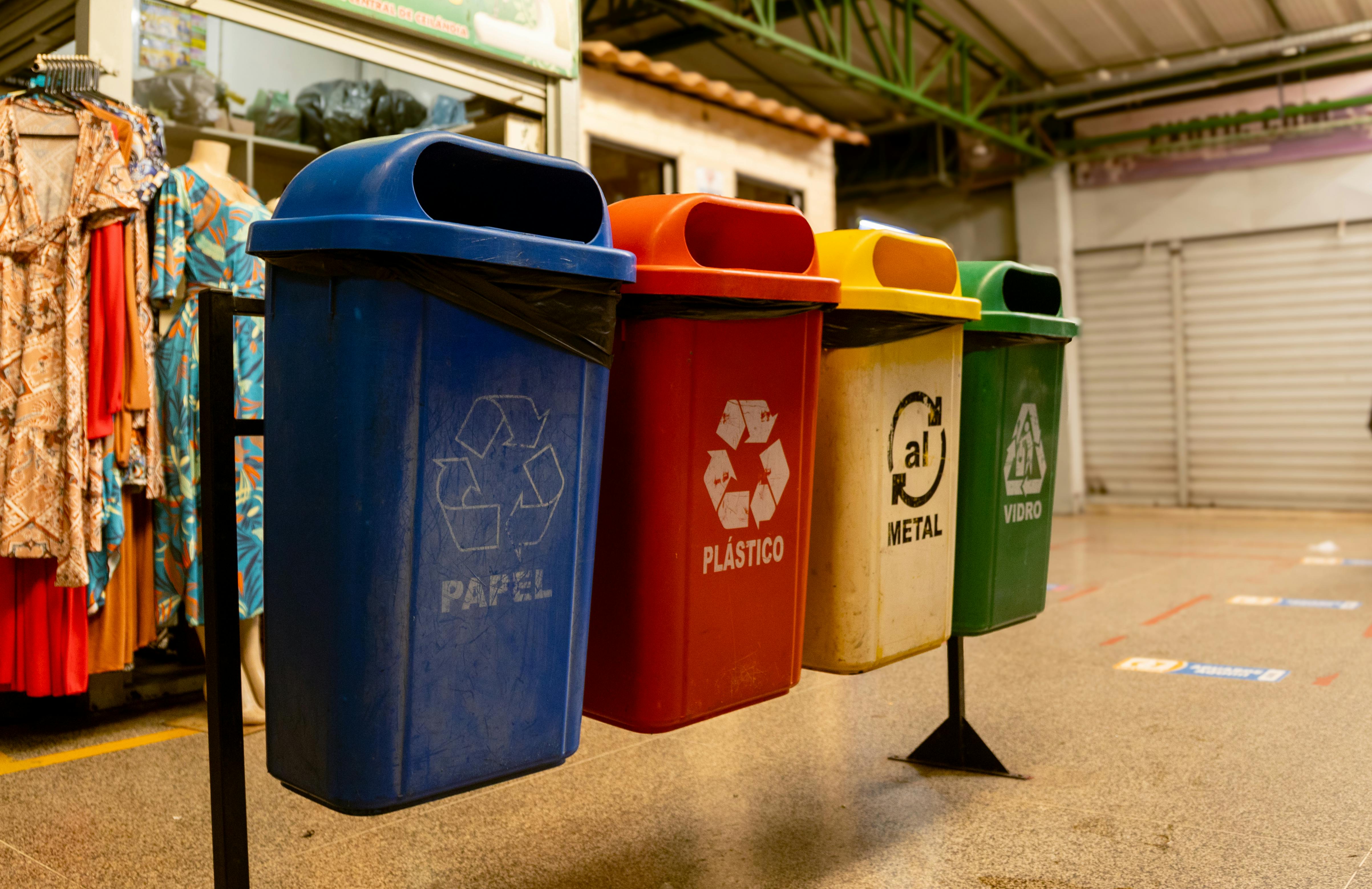
Waste management involves the proper collection, recycling, and disposal of waste materials. Effective waste management reduces environmental pollution and supports public health. It also encourages sustainable practices within communities
Protection of Farm Land
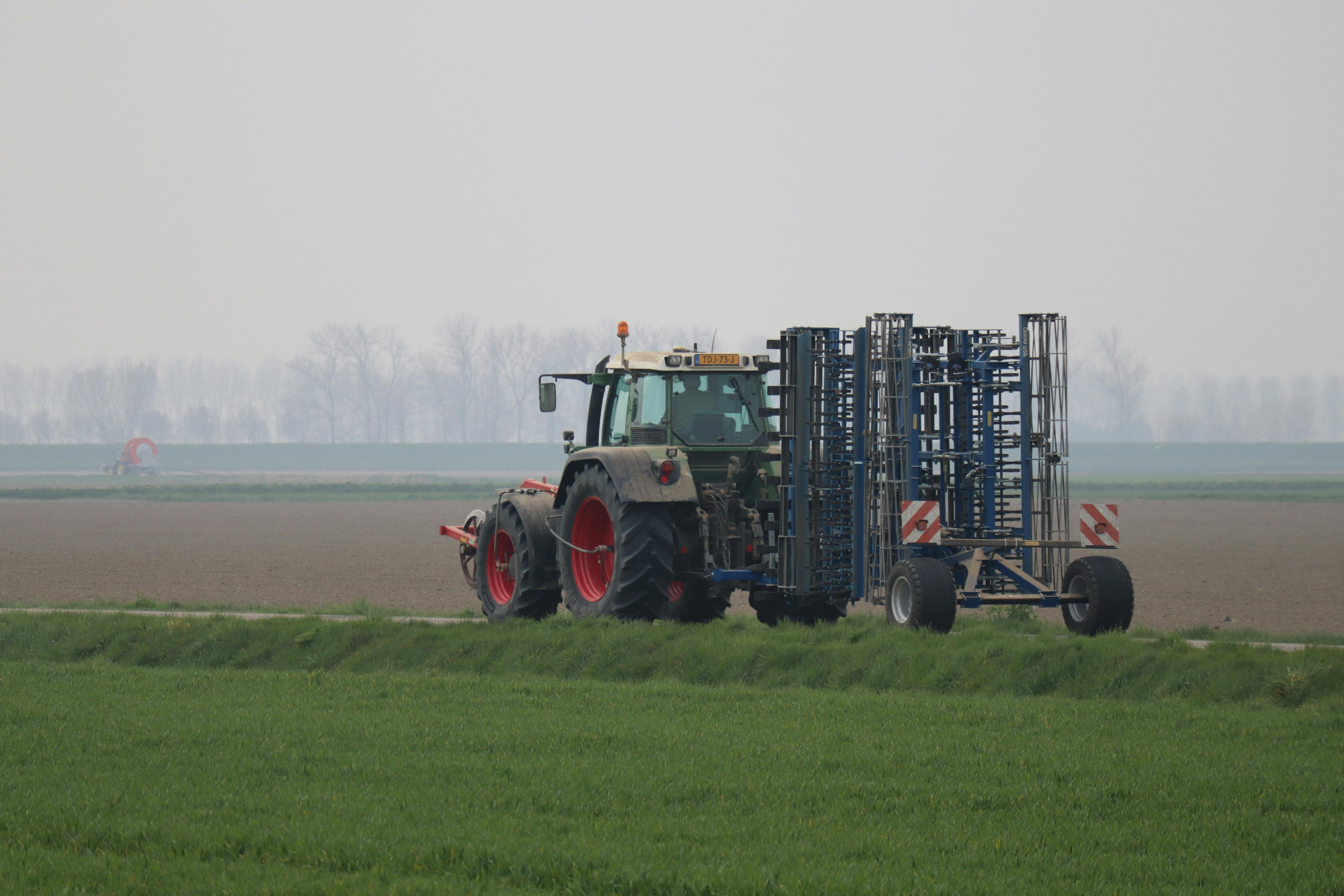
Protecting farmland ensures long-term agricultural productivity and food security. It prevents soil degradation, land misuse, and environmental damage. Healthy farmland supports farmers’ livelihoods and rural development

Chemical Balancing
Chemical balancing refers to maintaining safe and controlled use of chemicals in agriculture and industries. Proper balance helps protect soil, water, crops, and human health. It also promotes eco-friendly and sustainable farming practices
Pesticide Control
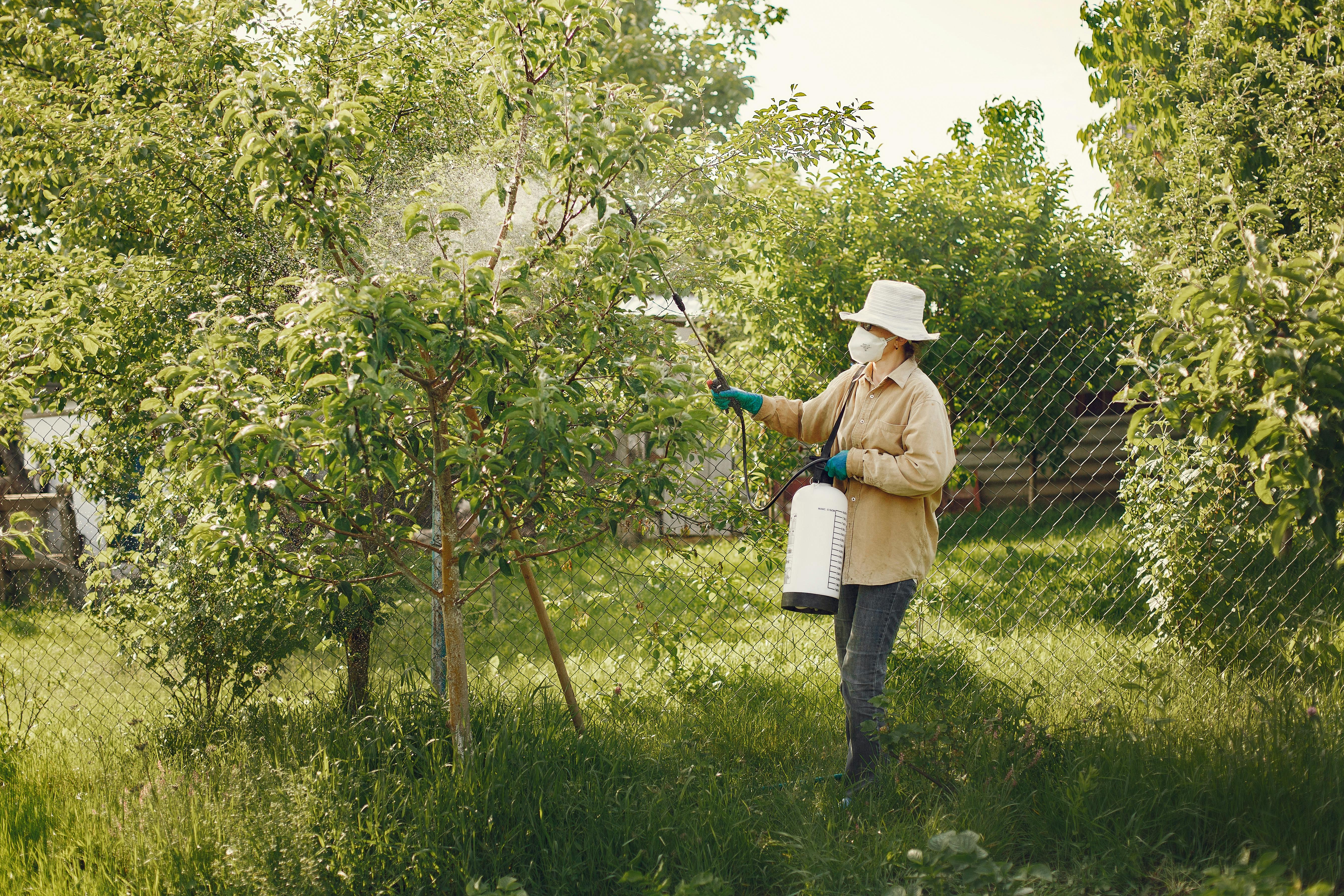
Pesticide control focuses on reducing the harmful effects of excessive pesticide usage. Safe and limited use protects crops while safeguarding people, animals, and the environment. It encourages healthier agricultural methods and biodiversity conservation
Excess Use of chemically or genetically modified fertilizers and seeds
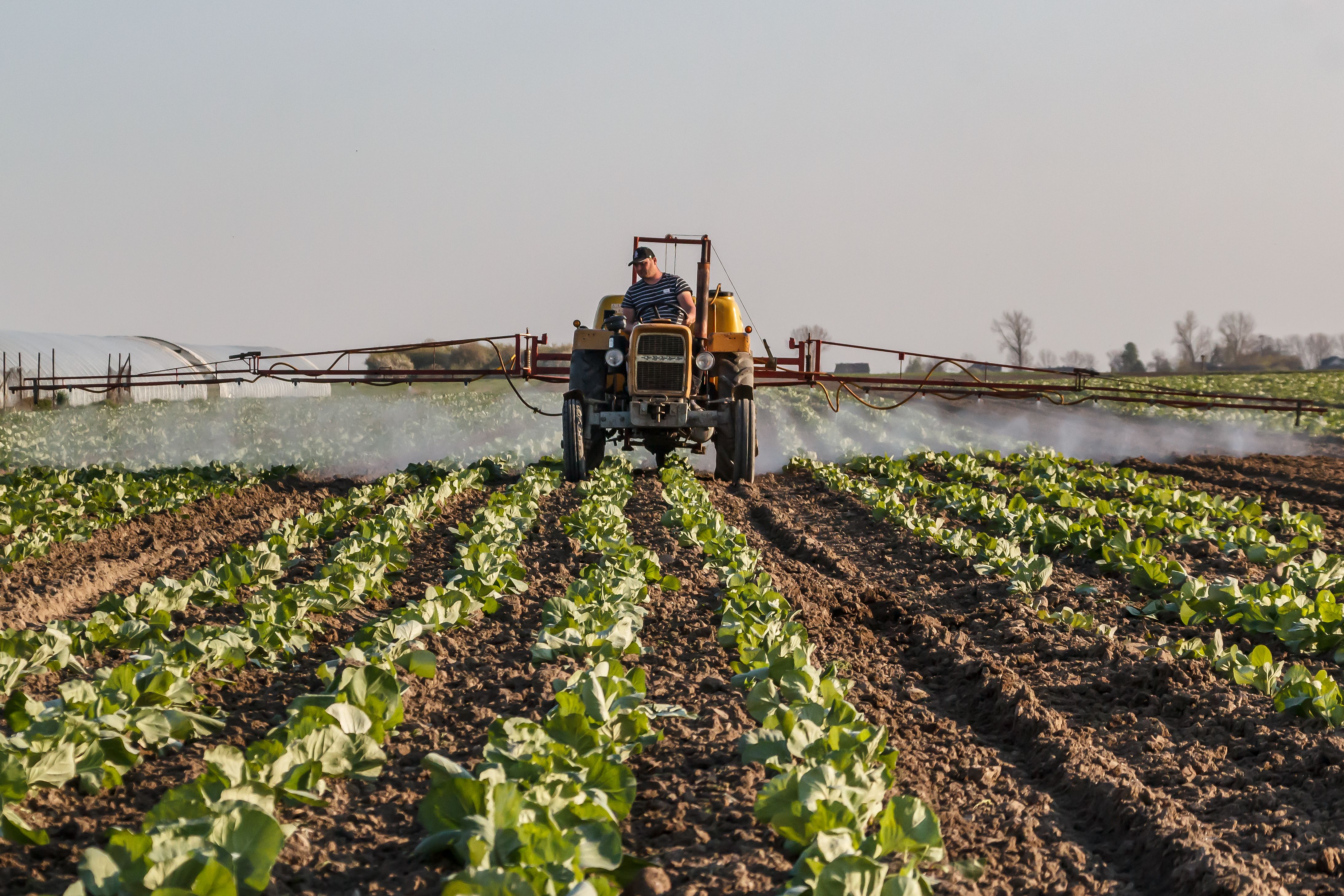
Excessive use of chemical or genetically modified fertilizers and seeds can negatively affect soil quality and ecosystems. Responsible usage helps maintain natural fertility and environmental balance. Sustainable alternatives support healthier farming and long-term productivity

Monitoring and Management of CSRs
Monitoring and management of CSR activities ensure that social responsibility programs are effectively implemented. Proper management improves transparency, accountability, and community impact. It helps organizations achieve sustainable development goals efficiently